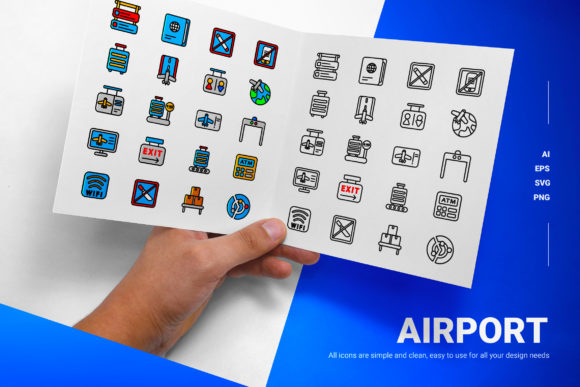
Airport Icons for Modern Design Projects
Icons play a pivotal role in modern visual communication, especially when representing complex ideas with simplicity and clarity. In the realm of graphic design, the AIRPORT icon stands out as a versatile and essential element, particularly useful across branding, digital interfaces, and print media. Whether used in wayfinding systems, mobile applications, or travel-related marketing materials, airport icons help convey information quickly and effectively, enhancing user experience and visual storytelling.
Why Airport Icons Matter in Design
From a design perspective, icons like the AIRPORT symbol are more than just decorative elements—they serve as functional tools that improve navigation, communication, and brand recognition. In user interface (UI) and user experience (UX) design, these icons streamline interactions by offering intuitive visual cues. For branding and editorial design, they add a layer of visual hierarchy and thematic consistency that supports the overall message.
Applications Across Design Disciplines
Airport icons can be applied across a wide range of creative projects, each benefiting from their clarity and adaptability:
- Branding and Logo Design: Incorporating an airport icon into a travel-related brand identity adds immediate context and visual appeal.
- Social Media Graphics: Use icons to highlight travel tips, flight deals, or event locations with a clean, recognizable visual style.
- Website and UI Design: Enhance navigation menus, landing pages, or mobile apps with intuitive airport icons that guide users seamlessly.
- Editorial and Print Design: Infographics, travel guides, and brochures benefit from icons that simplify complex information in a visually engaging way.
- Digital Marketing: From banners to email templates, airport icons help create a consistent visual language across marketing assets.
Choosing the Right Icon Set
When selecting airport icons or any design asset, it’s essential to consider quality, scalability, and flexibility. High-resolution formats such as AI, EPS, PNG, and SVG ensure your icons remain sharp and adaptable across various platforms and sizes. A well-crafted icon set should also include a readme file for easy implementation and customization.
Look for icons that align with your brand’s visual design language—whether minimalist, flat, or skeuomorphic. Consistency in line weight, color palette, and overall style will help maintain a cohesive brand identity. Additionally, ensure icons are scalable without losing clarity, especially when used across different screen resolutions or printed materials.
Key Features to Look For
- Multiple File Formats: AI, EPS, PNG, and SVG files offer flexibility for both print and digital use.
- Customizable Design: Choose icons that allow for easy color changes, resizing, and integration into existing design systems.
- High-Resolution Output: Crisp visuals are essential for professional presentations, web graphics, and printed collateral.
- Comprehensive Support: A detailed readme ensures smooth implementation, especially for non-designers or cross-functional teams.
Whether you're designing a mobile app for travelers or creating promotional materials for an airline, the right airport icon can elevate your visual storytelling. These icons are not just design elements—they’re communication tools that bridge language barriers and improve user engagement. When used thoughtfully within a broader visual hierarchy, they contribute to a polished, modern aesthetic that resonates with global audiences.