Brain Activity Abstract Concept: Visualizing Thought in Design
When we think about creativity, problem-solving, or inspiration, it's often hard to put those ideas into visual form. That's where the Brain Activity Abstract Concept comes in. This design toolkit gives creators a way to represent complex mental processes using clean, modern illustrations. Whether you're building a presentation, designing a landing page, or crafting an infographic, these visuals help make intangible ideas feel concrete and engaging.
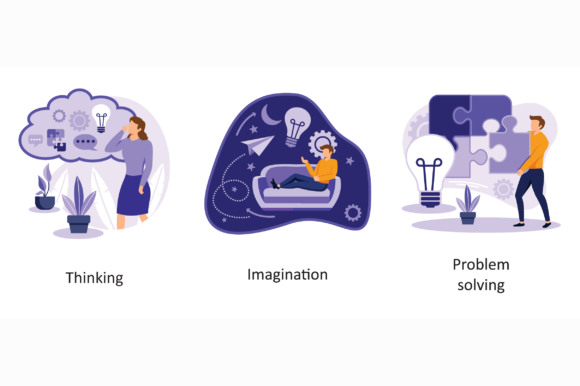
The Brain Activity Abstract Concept vector illustration set includes a variety of flat graphics that symbolize thinking, imagination, decision-making, and innovation. These aren't literal brain diagrams—they're symbolic representations of how our minds work. Each image uses lines, dots, lightbulbs, and abstract shapes to suggest motion, connection, and discovery.
Why This Concept Matters in Visual Communication
In today's fast-paced digital world, attention spans are short. That's why visuals play such a big role in getting messages across quickly and clearly. The Brain Activity Abstract Concept helps bridge the gap between complex ideas and simple understanding. It's especially useful when explaining topics like brainstorming, strategic thinking, creative development, or cognitive processes.
Designers and communicators use these visuals to support content about innovation, learning, mental performance, and personal growth. Because the illustrations are abstract, they’re flexible enough to fit many different styles and messages. Whether you're illustrating a business plan or explaining how to overcome creative blocks, these graphics add visual interest and clarity.
Who Can Benefit from These Illustrations?
These graphics are ideal for a wide range of users. Bloggers can enhance their posts with visual metaphors for thinking and problem-solving. Marketers can use them in campaigns that highlight innovation or mental agility. Entrepreneurs and small business owners may find them helpful when pitching ideas or explaining processes. Educators and trainers can incorporate them into materials that explore learning, memory, or creativity.
Even if you're not a professional designer, these illustrations are easy to use. Since they're available in editable vector formats like EPS 10, you can resize, recolor, and customize them using tools like Adobe Illustrator or CorelDRAW. The included JPG versions are perfect for quick previews or use in platforms that don't support vector files.
Where and How to Use Brain Activity Graphics
One of the best things about the Brain Activity Abstract Concept is its versatility. Here are a few practical use cases:
- Landing pages: Use visuals to represent problem-solving or innovation in product or service descriptions.
- Presentation slides: Illustrate how your team approaches challenges or generates ideas.
- Marketing materials: Show how your brand thinks differently or helps customers find solutions.
- Educational content: Make abstract ideas about thinking, learning, and creativity more relatable.
- Social media graphics: Add visual flair to posts about productivity, inspiration, or mindset.
For example, a digital marketing agency might use one of these illustrations in a case study showing how they helped a client overcome a branding challenge. A personal development blogger could use them to visualize different stages of goal-setting or habit formation. And a tech startup might include them in investor pitch decks to symbolize innovation and strategic thinking.
Getting the Most from Your Visual Toolkit
While the Brain Activity Abstract Concept vector illustration set is user-friendly, there are a few things to keep in mind to get the most out of it:
- Match the style to your brand: Choose illustrations that align with your existing color scheme and design language.
- Avoid overcomplicating visuals: Use one or two key images per page or slide to maintain clarity.
- Use metaphors wisely: Make sure the illustration supports the message rather than confusing it.
- Edit for context: Customize elements like color or layout to suit different platforms or audiences.
Because these are vector files, you can scale them up for large banners or down for mobile screens without losing quality. This makes them ideal for responsive web design or multi-format marketing campaigns. Just be sure to preview your visuals across different devices and formats to ensure readability and impact.
Final Thoughts: Making Thinking Visual
The Brain Activity Abstract Concept is more than just a design trend—it's a practical tool for anyone who wants to communicate ideas clearly and creatively. Whether you're explaining a complex process, inspiring your audience, or showing how your business solves problems, these visuals help bring your message to life.
If you're new to using abstract concept graphics, start small. Try adding one illustration to a presentation or blog post and see how it affects engagement. As you become more comfortable, you can experiment with combining different elements to create custom visuals that reflect your unique message and style.