Comparison Pricing List: A Practical Tool for Smarter Decisions
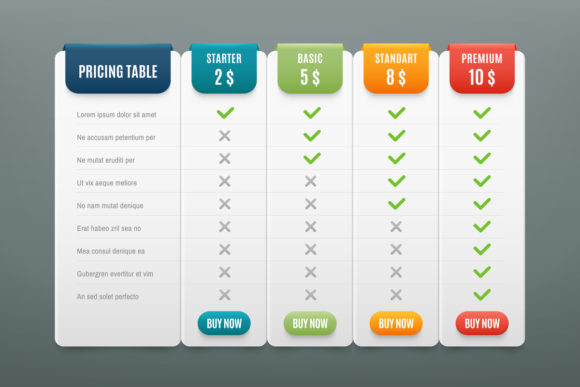
When evaluating products or services, especially for business or creative projects, having a clear visual and structural comparison can save time, reduce confusion, and lead to better-informed choices. A Comparison Pricing List provides a streamlined way to evaluate multiple options side by side, highlighting differences in cost, features, and value. Whether you're a small business owner selecting a hosting plan, a marketer comparing software subscriptions, or a creator evaluating design templates, this type of visual tool can make the decision-making process more efficient and transparent.
Why a Comparison Pricing List Matters
Decision fatigue is real, especially when faced with multiple plans or pricing tiers. A well-designed Comparison Pricing List simplifies this by organizing information in a structured, easy-to-scan format. Instead of reading through multiple pages of descriptions, users can quickly identify which option aligns best with their needs and budget. This visual clarity is particularly valuable when comparing hosting packages, SaaS subscriptions, or bundled services where subtle differences in features can significantly impact long-term value.
Improving Clarity and Saving Time
Time is a valuable resource, and professionals across industries—from entrepreneurs launching a website to educators planning a course—need tools that help them make decisions quickly. A Comparison Pricing List condenses essential details into a single view, allowing users to compare core features, pricing structures, and included benefits at a glance. For example, when choosing a web hosting provider, a comparison chart can clearly show differences in storage limits, bandwidth, customer support, and renewal rates, helping users avoid hidden costs and mismatched plans.
Supporting Creativity and Customization
Designers and marketers often need to present pricing options to clients or internal stakeholders. The Comparison Pricing List template—typically delivered as a vector EPS10 file with a JPEG preview—offers a flexible, editable foundation. This allows professionals to tailor visuals to match brand guidelines, highlight specific features, or remove irrelevant elements. Using a vector editor like Adobe Illustrator, users can adapt the layout for presentations, proposals, or landing pages, ensuring that the comparison remains both informative and visually aligned with their project's goals.
Strengthening Communication with Visual Clarity
Explaining pricing differences verbally or through text alone can lead to misunderstandings. A visual Comparison Pricing List bridges this gap by offering a shared reference point. Teams can use it during internal discussions, and sales professionals can share it with clients to clarify value propositions. For instance, a freelance web developer might use a comparison chart to show clients the differences between basic, standard, and premium website packages, making it easier to justify pricing tiers and align expectations.
Increasing Efficiency in Business Purchasing
When businesses are evaluating software, hosting services, or subscription tools, procurement teams often need to compare multiple vendors. A Comparison Pricing List supports this process by standardizing how features and costs are presented. This structured approach helps identify which provider offers the best combination of price, performance, and scalability. For example, a growing startup comparing CRM platforms can quickly assess which service includes automation tools, integrations, or support levels that match their operational needs.
Who Benefits Most from a Comparison Pricing List?
Professionals who frequently evaluate tools, services, or product plans will find the most value in using a Comparison Pricing List. This includes:
- Entrepreneurs launching a new website and comparing hosting providers
- Marketers assessing SaaS tools for email campaigns or analytics
- Designers customizing pricing charts for client proposals
- Small business owners evaluating software subscriptions
- Educators comparing course platforms or digital tools for students
Each of these roles benefits from a structured way to evaluate options, especially when subtle differences in pricing or features can impact long-term outcomes.
Real-World Use Cases
Consider a freelance graphic designer who needs to choose between multiple stock image platforms. Each offers a different pricing model—some charge per download, while others offer monthly subscriptions with download limits. By using a Comparison Pricing List, the designer can easily compare cost per image, licensing terms, and available content, leading to a choice that aligns with both budget and usage needs.
Another example involves a small business owner setting up an online store. Hosting providers often offer similar-sounding plans with key differences in performance, security, and scalability. A comparison chart can clearly show which provider includes free SSL certificates, automatic backups, or 24/7 support—factors that directly impact the business’s online reliability and customer trust.
Recommendations for Effective Use
To get the most out of a Comparison Pricing List, consider the following tips:
- Customize for clarity: Use a vector editor to adjust colors, fonts, and layout so the chart aligns with your brand or presentation style.
- Highlight key differences: Emphasize the features that most impact your decision, such as uptime guarantees, storage limits, or support availability.
- Keep it focused: Limit comparisons to 3–5 options to avoid overwhelming the viewer with too many details.
- Update regularly: As pricing or features change, update the chart to ensure it remains an accurate reference.
Understanding Limitations and Fit Considerations
While a Comparison Pricing List is a powerful tool, it’s most effective when used in conjunction with deeper research. Some features—like customer service quality or user experience—can’t always be captured in a chart. Additionally, not all pricing models are directly comparable; for instance, one service might offer more flexibility in scaling, while another has a lower base price but hidden fees. Users should consider these nuances and use the chart as a starting point rather than a final decision tool.
Final Thoughts
A well-structured Comparison Pricing List is more than just a visual aid—it's a decision-making tool that enhances clarity, saves time, and supports informed choices. Whether you're comparing hosting plans, software subscriptions, or product bundles, this format helps you evaluate options with confidence. By presenting information in a clear, visual format, it empowers professionals across industries to make smarter, more strategic decisions—without getting lost in the details.