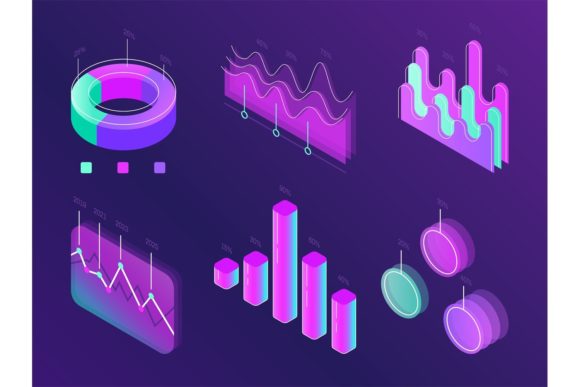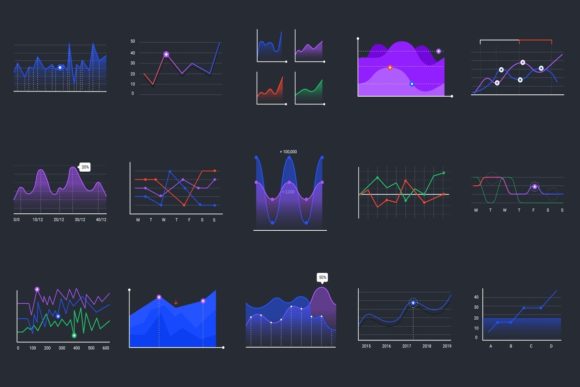
Linear Graphcharts: A Smart Tool for Clear Business Visuals
When it comes to presenting financial data or investment trends, clarity is key. Linear Graphcharts offers a set of clean, scalable visuals that help professionals and creators communicate complex information with ease. Whether you're preparing a business report, designing a marketing infographic, or teaching a class on financial literacy, these charts provide a flexible and professional solution.
What makes Linear Graphcharts stand out is its combination of format options and usability. The package includes one EPS10 file for high-quality editing and a 72ppi JPEG preview for quick reference. This dual-format approach ensures that both designers and non-designers can work with the graphics effectively, whether they're building a presentation from scratch or embedding visuals into a published report.
Common Mistakes When Choosing and Using Linear Graphcharts
Despite its usefulness, many users make avoidable errors when selecting or applying Linear Graphcharts. These mistakes can affect the clarity of your visuals, the professionalism of your presentation, and even the efficiency of your workflow. Here are some of the most common issues and how to avoid them.
Mistake 1: Overlooking File Compatibility
One of the most frequent issues users face is assuming that all graphic files are interchangeable. While the JPEG preview is useful for quick placement in documents or slides, it's not ideal for editing. If you need to adjust colors, labels, or layout, the EPS10 file is the right choice. However, not all software supports EPS files, especially on newer systems or cloud-based platforms.
Better approach: Before downloading or purchasing, check if your design or presentation software supports EPS10 files. If not, consider whether you'll need an alternative format or a vector converter to ensure full usability.
Mistake 2: Using Low-Resolution Previews in High-Quality Projects
The 72ppi JPEG preview is meant for quick reference, not for final output. Some users mistakenly use this file in printed reports, websites, or presentations expecting high resolution. The result is often blurry or pixelated graphics that harm the overall impression of the work.
Better approach: Always use the EPS10 version for final outputs where quality matters. If you're unsure how to work with EPS files, invest a little time in learning or use a conversion tool to export the graphic at a higher resolution.
Mistake 3: Misjudging Design Flexibility
While Linear Graphcharts is designed for flexibility, it's not a one-size-fits-all solution. Some users expect to be able to customize every aspect of the chart, only to find that certain elements are grouped or embedded in a way that makes editing difficult.
Better approach: Review the file structure before starting your project. If possible, test the EPS file in your design software to see how easy it is to adjust colors, fonts, and data points. This will help you understand its limitations and plan your visuals accordingly.
Choosing the Right Approach for Your Needs
Whether you're a small business owner creating a pitch deck or a blogger designing an infographic, understanding how to use Linear Graphcharts effectively can make a big difference. Here are a few practical tips to help you get the most out of this tool.
Understand Your Use Case
Ask yourself how you'll be using the charts. Are they for a digital report, a printed handout, or a live presentation? Knowing your end goal helps you choose the right file type and avoid unnecessary frustration later.
- Digital use: JPEG preview may be sufficient for web or slide presentations.
- Print or high-quality use: Always use the EPS10 file for sharp, scalable results.
Test Before You Commit
If you're downloading Linear Graphcharts from a marketplace or design resource site, take advantage of any preview features. Open the JPEG and, if possible, download a sample EPS file to test in your preferred software. This small step can prevent compatibility issues down the line.
Plan for Customization
Don't assume the charts will match your brand colors or style out of the box. While the vector format allows for customization, it may take a few minutes to adjust hues, fonts, and line weights to align with your visual identity.
- Open the EPS file in your design tool.
- Check which elements are editable (labels, colors, grid lines).
- Create a style guide for your charts to maintain consistency across multiple visuals.
What to Check Before Downloading or Buying
Before you commit to using Linear Graphcharts, it's wise to review a few key points to ensure it's the right fit for your needs.
- File format support: Can your software open EPS10 files? If not, can you convert them easily?
- Editing flexibility: Are the charts fully editable, or are some elements locked?
- Resolution of preview: Is the JPEG preview sufficient for your initial layout needs?
- License type: Are you allowed to use the charts in commercial projects, or is there a usage restriction?
Final Thoughts
Linear Graphcharts is a valuable asset for anyone needing to present financial data, investment trends, or business metrics in a clear and professional manner. By understanding its strengths and limitations, you can avoid common pitfalls and make the most of what this tool has to offer. Whether you're a seasoned designer or a first-time user, a little preparation goes a long way in ensuring your visuals communicate exactly what you intend — clearly, effectively, and professionally.