Infographic Dashboard: Visualizing Data for Smarter Decisions
Modern professionals need tools that simplify complexity without sacrificing depth. The Infographic Dashboard offers a powerful way to transform raw financial data, trade statistics, and business metrics into clear, actionable visuals. Whether you're presenting quarterly results, analyzing market trends, or building a report for stakeholders, this vector-based design resource helps turn numbers into narratives.
Why Visual Data Matters in Business
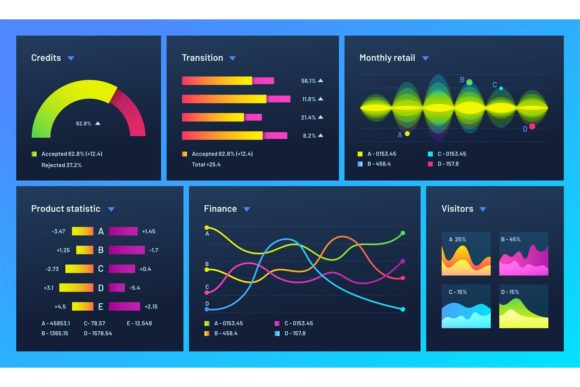
Human brains process visual information faster than text. A well-designed chart can reveal patterns and trends that spreadsheets often obscure. With the Infographic Dashboard, users gain access to a library of finance data analytic charts, trade statistic graphs, and modern business chart columns—all built for clarity and customization. These visuals are more than just aesthetic enhancements; they support faster comprehension, better decision-making, and stronger communication across teams and audiences.
How Infographic Dashboard Supports Real-World Use Cases
Let’s say you’re preparing a quarterly financial review for your leadership team. Instead of showing rows of revenue figures and expense categories, you can use a column chart from the Infographic Dashboard to highlight year-over-year growth. Or imagine you're a digital marketer compiling campaign performance data—you can pull together a visual summary that clearly shows traffic sources, conversion rates, and ROI.
The Analytics infographics UI stats graph futuristic diagram vector concept embedded in this product makes it easy to build visuals that align with modern design trends while maintaining functional clarity. Whether you're a financial analyst, small business owner, or educator, the dashboard elements adapt to your needs.
Time-Saving Design Without Compromise
Designing high-quality visuals from scratch can be time-consuming, especially when working under tight deadlines. The Infographic Dashboard includes a single vector EPS10 file that gives you full control over every element. You can edit colors, remove unnecessary components, or rearrange data points using tools like Adobe Illustrator. This flexibility means you don’t have to start from zero each time you need a fresh chart or presentation graphic.
For example, if you're a freelance data journalist creating a visual story on global trade trends, you can quickly extract a trade statistic graph from the dashboard and customize it to match your publication’s branding. This saves hours compared to building each visual manually.
Supporting Creativity with Structure
Creativity thrives when there’s a strong foundation. The Infographic Dashboard provides structured templates that encourage innovation rather than restrict it. You can mix and match chart styles, layer annotations, or combine multiple data sets into a single cohesive infographic. This is especially useful for educators designing classroom materials or entrepreneurs pitching to investors.
One small business owner might use a modern business chart column to compare monthly sales performance, while a marketing manager could layer multiple data points into a single analytics infographic to show campaign effectiveness across channels. The same vector file supports both scenarios.
Improving Communication Across Audiences
Whether you're presenting to executives, clients, or team members, the clarity of your message often determines its impact. Complex financial reports or market analyses become more digestible when supported by visuals from the Infographic Dashboard. These charts don’t just summarize data—they help tell a story that aligns with your audience’s priorities.
For instance, a financial advisor might use a line graph derived from the analytics infographics to illustrate investment growth trends to clients. The visual removes ambiguity and builds trust by making data more transparent and easier to understand at a glance.
Efficiency Meets Customization
One of the standout features of the Infographic Dashboard is its compatibility with vector editors. Unlike static image files, vector graphics retain quality at any scale and allow for precise editing. If you need to remove a data legend, adjust the axis labels, or change the color scheme to match your brand identity, you can do so without losing resolution or clarity.
This level of customization is especially valuable for designers working on multi-platform content—whether it’s a print report, a mobile dashboard, or a web-based presentation. The EPS10 format ensures your visuals remain sharp and adaptable across formats.
Choosing the Right Tool for the Job
While the Infographic Dashboard offers a wide range of benefits, it's important to consider whether it fits your specific needs. If you're looking for a ready-to-use infographic generator with drag-and-drop simplicity, you may want to explore other tools. However, if you're comfortable using vector editors like Adobe Illustrator and need full control over your visuals, this product is a strong choice.
Additionally, users who frequently work with financial data, market research, or performance analytics will find the most value. The included charts and graphs are tailored to these domains, making it easier to create visuals that feel relevant and professional without requiring deep design expertise.
Recommendations for Getting the Most Value
- Start with your goal – Know what story you want your data to tell before choosing a chart type.
- Customize strategically – Don’t just use the default colors or layouts. Adjust them to match your brand or enhance readability.
- Test across formats – Preview your visuals in print, on screen, and in presentations to ensure they remain clear and effective.
- Combine with narrative – Use charts as part of a broader explanation, not a replacement for context.
For example, a startup founder pitching to investors might use a combination of line charts and bar graphs from the Infographic Dashboard to show revenue growth and customer acquisition trends. By pairing these visuals with concise commentary, they can create a compelling, data-backed narrative.
Conclusion-Less Summary: What to Keep in Mind
The Infographic Dashboard is more than just a design asset—it's a tool for clearer thinking and more effective communication. Whether you're a marketer analyzing campaign performance, an educator teaching data literacy, or a small business owner tracking financial health, this resource gives you the tools to turn raw numbers into meaningful visuals. With the flexibility of a vector EPS10 file and a design that supports modern analytics needs, it’s a practical addition to any professional’s toolkit.